
My favourite part of growing up in the Philippines are the festivals that happens through out the year for every season. Some of our festivals were influenced by the Spaniards in the 1500s. We mostly focus on religious traditions while some other festivals are unified with the important historical events of our country. In this blog, I will be sharing my 3 favourite festivals that I have seen and would like to see again sometime soon.
First on my list is called the Pahiyas Festival. In Canada we always celebrate thanksgiving for the harvest and other blessings of the past year in which we would have our traditional “Turkey Dinner” along with some fruits and vegetables on the table from our local farms and stores. On the other hand, Philippines also celebrate this kind of thanksgiving; however, we do it differently. This is a collective event that brings different kind of harvest festivals. 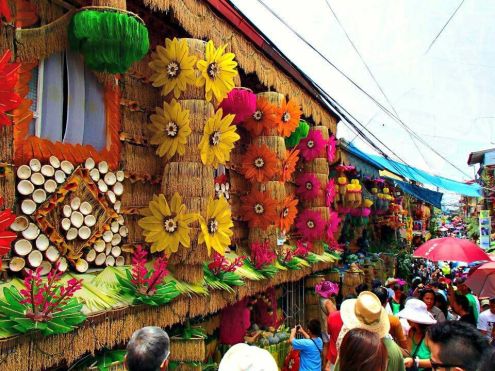
When I was young I went to Lucban, Quezon with my family to see this huge festival. This happens on the 15th of May every year. This is when the people of Lucban decorate their houses lavishly with striking vibrant colours. If I remember, they also hung different kinds of vegetables as decorations for it shows the true meaning of the harvest season. Also, we were allowed to bring our own bag or baskets and pick fresh vegetables from the walls for free! I would love to come back to the Philippines just to experience this kind of festival once again, especially now that I am older I would appreciate this event even more.
Going on road trips and random adventures is what my family loves to do. When I was about 9 years old, we went to the “City of Smile” which is in Bacolod. Coincidentally, we saw a bunch of people gathering together for some reason and my father got curious so we went to check it out. At that time, we did not know that they were having the Masskara Festival, and by far it was the most coolest thing I have ever seen in my life.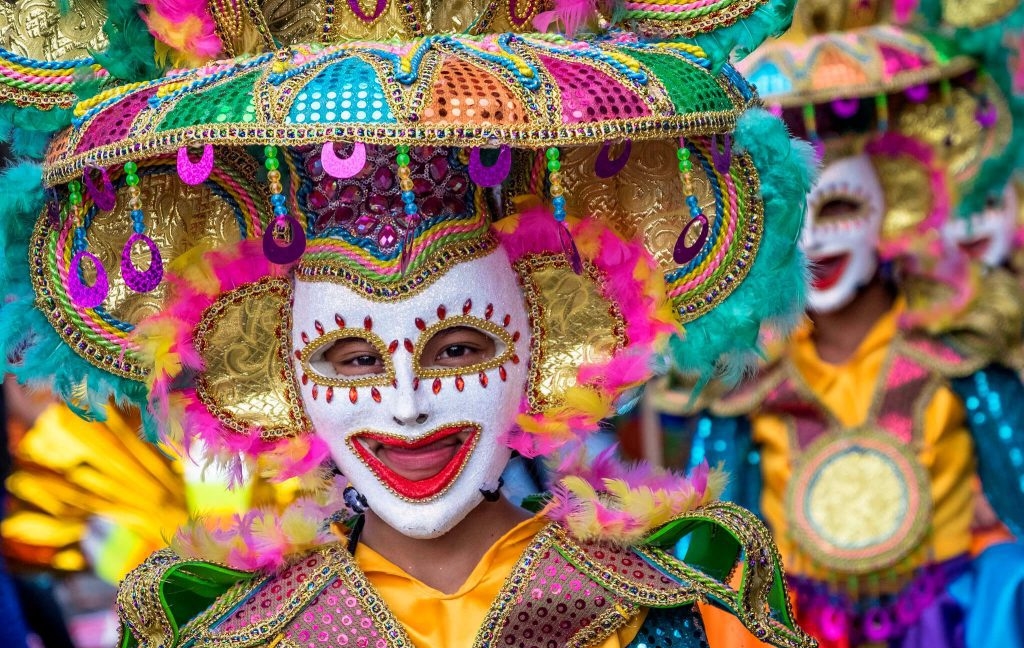
This festival is filled of people wearing colourful smiling masks that are made up of native beads, feathers, and flowers. They allow tourists to relish twenty days of street dancing, beer drinking, and merrymaking. I remember the street of Bacolod filled with people wearing their extravagant masks and bright coloured costumes while dancing around and spreading euphoric atmosphere throughout the whole city. During the festival, the people from Bacolod are encourage to cease to think of the economic or financial struggle, the dead season of the sugar harvest. This leads the people to look at the festival as their way of seeking distraction and relief from unpleasant reality. The sugar harvest is significant to the locals since Negros Occidental where this place is found, is known as the Sugar Bowl of the Philippines.
Last but not the least, is the Giant Lantern Festival. Christmas is only a few more weeks away and I cannot help but to get excited about it; Christmas trees, Christmas lights, Christmas decorations, especially Christmas songs are what I look forward to. The best part is when I spend time with my family and friends as well as sharing gifts with everyone.
This is probably the last time I celebrated Christmas with my parents before moving here in Canada with my grandparents.
It was the most joyous and wonderful time I have ever had. My family and I went to San Fernando which isn’t that far from where my mother’s relatives used to live. They organize the biggest festival/competition in the Philippines where the participants are to make up to fifteen feet diameter lanterns. The thing is, the giant lanterns should only be made up of locally available materials. After all the lanterns are good to go, they are showcased in a parade before the midnight mass on Christmas Eve which the people of San Fernando always anticipates. This festival made me realized what the real meaning of Christmas is and how gorgeous lanterns are once they light up, and for that San Fernando is now called the “Christmas Capital of the Philippines”.
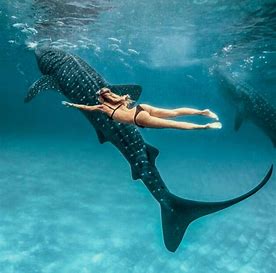 where you can go snorkeling underwater and swim with their friendly Whale-sharks. As well as, climbing, rappelling and rafting to reach the Kawasan Falls where the best food and best sights are provided. Even though I am not very good at swimming, I would still give this wonderful experience a chance. I want to be able to push myself to my limit and in order to do that, I will have to overcome my fear of whale-sharks and fear of drowning.
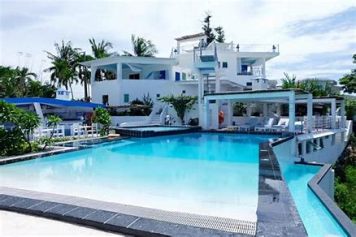 If you are worried about your budget well, don’t worry for it is pretty cheap. It would only cost you 10, 000 Philippine pesos for ten people, but if you convert that to Canadian dollars it should only cost you around $238.00 Canadian dollars and I think that it is worth the price.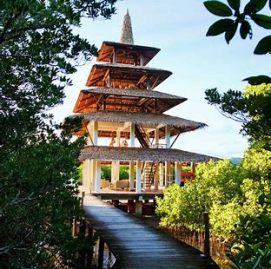
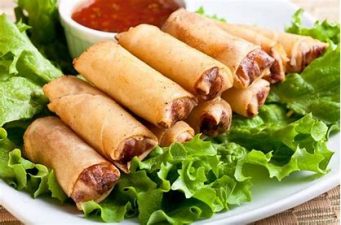
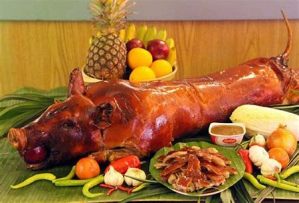 ng or party is complete without a plate of chopped lechon or a roast pig delivered right before the meal starts. The way it is made in our country, is with a whole pig cooked on a large stick over a pit filled with charcoal. In the Philippines,
 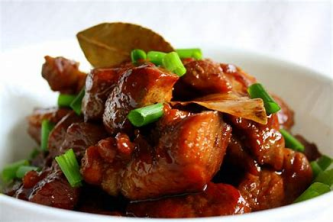 Prior to this blog, I talked about when the Spaniards invaded the Philippines for a decade. They witnessed this traditional cooking method and they named it adobo, which means marinade in Spanish.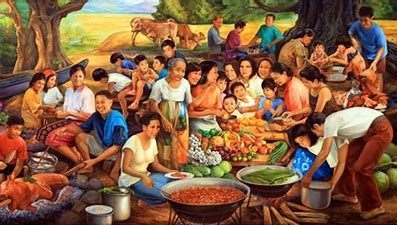
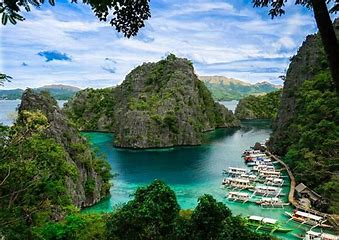 Philippines is made up of 7,000 islands. They are not hundreds, but thousands. It might sound a lot, but if you see it in the globe it looks smaller than you thought it would be. Philippines was taken over by the Spanish for over 300 years, and it was decided to be named after King Phillip II. Ferdinand Magellan then sailed across the Pacific Ocean claiming the Philippines for Spain in the year of 1521. He even got Humabon which is the chief at that period to be baptized and make him a puppet ruler for the Spanish crown. When Magellan wanted the other chiefs to submit to Humabon, there was one chief that declined to do so. Magellan then got furious that he led soldiers to go and execute him; however, the Spanish troops were separated that Ferdinand Magellan became the target and got killed.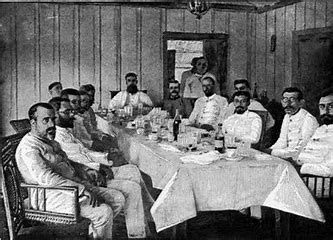
 It's More Fun in the Philippines